Injury Prevention & Mobility: The Foundation of Sustainable Training in Ixelles
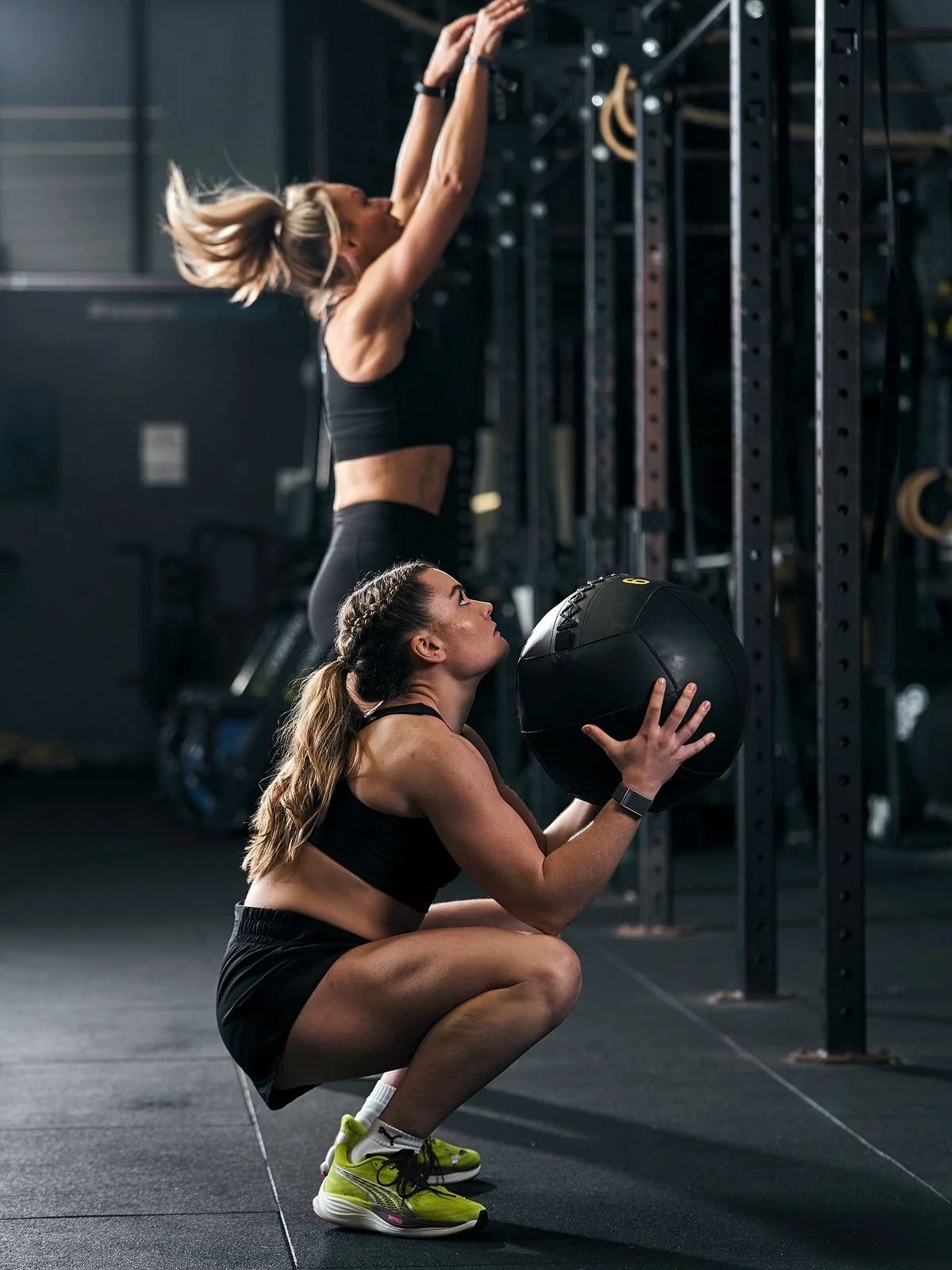
If you train hard, lift heavy, run often, or live an active lifestyle in Brussels (and not only) , you’ve probably felt it — that familiar tightness, the lingering stiffness, or a nagging ache that shows up mid-workout. In the fitness world, we often celebrate pushing limits, but performance doesn’t only come from intensity. It comes from consistency. And consistency is only possible when your body is mobile, stable, and injury-resistant.
This is where mobility, body awareness, and osteopathy come together to create a smarter, safer, stronger way of training.
Why Mobility Is the Secret Advantage for Active People
Mobility isn’t just stretching. It’s the combination of:
Joint freedom
Muscle flexibility
Neuromuscular coordination
Breathing mechanics
Healthy fascia and fluid tissue movement
When mobility drops, your body compensates. Ankles that don’t move enough put pressure on the knees. Tight hips overload the lower back. Stiff shoulders disrupt your lifts. Reduced thoracic mobility strains your neck.
The result?
A slow build-up of micro-injuries, inflammation, and movement dysfunction — the kind that eventually becomes pain.
Chronic Tightness = A Warning Sign
Active people in Brussels often train on busy schedules, swapping recovery for productivity. But chronic tightness is not just “normal soreness”; it’s a sign of:
Muscles working overtime to stabilize
Limited joint mechanics
Poor tissue hydration
Nervous system stress
Compensatory movement patterns
Left untreated, these factors increase your risk of acute injuries (sprains, strains, tears) and long-term issues (tendonitis, disc pain, overuse injuries).
Mobility isn’t optional; it’s injury prevention.
How Osteopathy Helps Active Bodies Move Better
Sports osteopathy offers a targeted approach to restoring balance in the body and improving performance. It looks beyond symptoms to correct the underlying dysfunctions preventing you from moving freely.
Through a combination of structural, fascial, visceral, and craniosacral techniques, osteopathy helps:
Improve joint mobility
Reduce muscular tension
Enhance overall movement efficiency
Support recovery and tissue repair
Boost circulation and lymphatic drainage
Regulate the nervous system after intense training
When the body moves better, the body performs better.
And when the nervous system is calm, muscles coordinate more effectively, breathing becomes smoother, and the risk of injury drops significantly.
Mobility Is Not About Being Flexible — It’s About Being Functional
Real mobility work improves:
Squat depth
Deadlift form
Running technique
Shoulder mechanics for weightlifting
Core stability
Balance and coordination
Many active people in Ixelles discover that after osteopathic treatment, movements they struggled with suddenly feel lighter, smoother, and more powerful.
It’s not magic — it’s biomechanics.
Injury Prevention Is a Strategy, Not a Quick Fix
Strength training + mobility + recovery + osteopathic care = long-term performance.
Active bodies need regular “maintenance,” just like athletes. Osteopathy helps keep the body aligned and adaptable, reducing compensations that lead to injury — especially important for:
Gym athletes
Runners
Cyclists
CrossFit athletes
HIIT enthusiasts
Pilates & yoga practitioners
People training through stress or long workdays
And in a fast-paced city like Brussels, the combination of work stress, poor sleep, sitting hours, and intense training makes supportive care even more essential.
Train Smarter. Move Freely. Stay Injury-Free.
If you want to lift heavier, run faster, recover better, and stay consistent all year long, mobility and injury prevention need to be part of your routine — not an afterthought.
Osteopathy is one of the most effective tools to help your body adapt, repair, and perform.
Based in Ixelles, Brussels, I work with active people, athletes, and anyone who wants to move better and prevent injuries before they happen.
Your strongest training season begins with a body that can support it.