Osteopathy, physiotherapy or cranial sacral therapy: Which one is right for you?
If you spend your days behind a laptop, train several times a week, travel frequently, or simply feel like your body is carrying more stress than it should, you've probably wondered:
Should I see an osteopath, a physiotherapist, or try craniosacral therapy?
The truth is that all three can help—but they do it in different ways.
Understanding the difference makes it much easier to choose the right treatment for your body and your goals.
One practitioner. Three perspectives.
One of the advantages of visiting my practice is that you don't have to decide between osteopathy, physiotherapy or craniosacral therapy before you even book your appointment.
I don't believe in treating labels. I combine osteopathy, craniosacral therapy and physiotherapy principles to give your body exactly what it needs to recover, move and perform at its best.
I am trained in all three approaches, which means every treatment is tailored to what your body needs on that day.
Some sessions focus on restoring mobility with osteopathic techniques. Others include the calming effects of craniosacral therapy to help regulate the nervous system and release stress-related tension. When appropriate, I also draw on physiotherapy principles, giving you simple, practical exercises to continue your progress at home.
Rather than following a fixed protocol, I combine these approaches to support recovery, improve movement and help you stay active long after your appointment.
For many busy professionals, expats and active people in Brussels, this integrated approach means one personalised treatment plan instead of having to visit several different practitioners.
Osteopathy: looking at the whole body
Osteopathy is based on one simple idea:
Your body works as one connected system.
Pain is not always caused where you feel it.
A stiff neck might actually be linked to your upper back, breathing pattern, jaw, hips or even old ankle injuries. Low back pain can be influenced by prolonged sitting, stress, digestion, lack of movement or repetitive training.
An osteopath looks at how your whole body moves together rather than treating only the painful area.
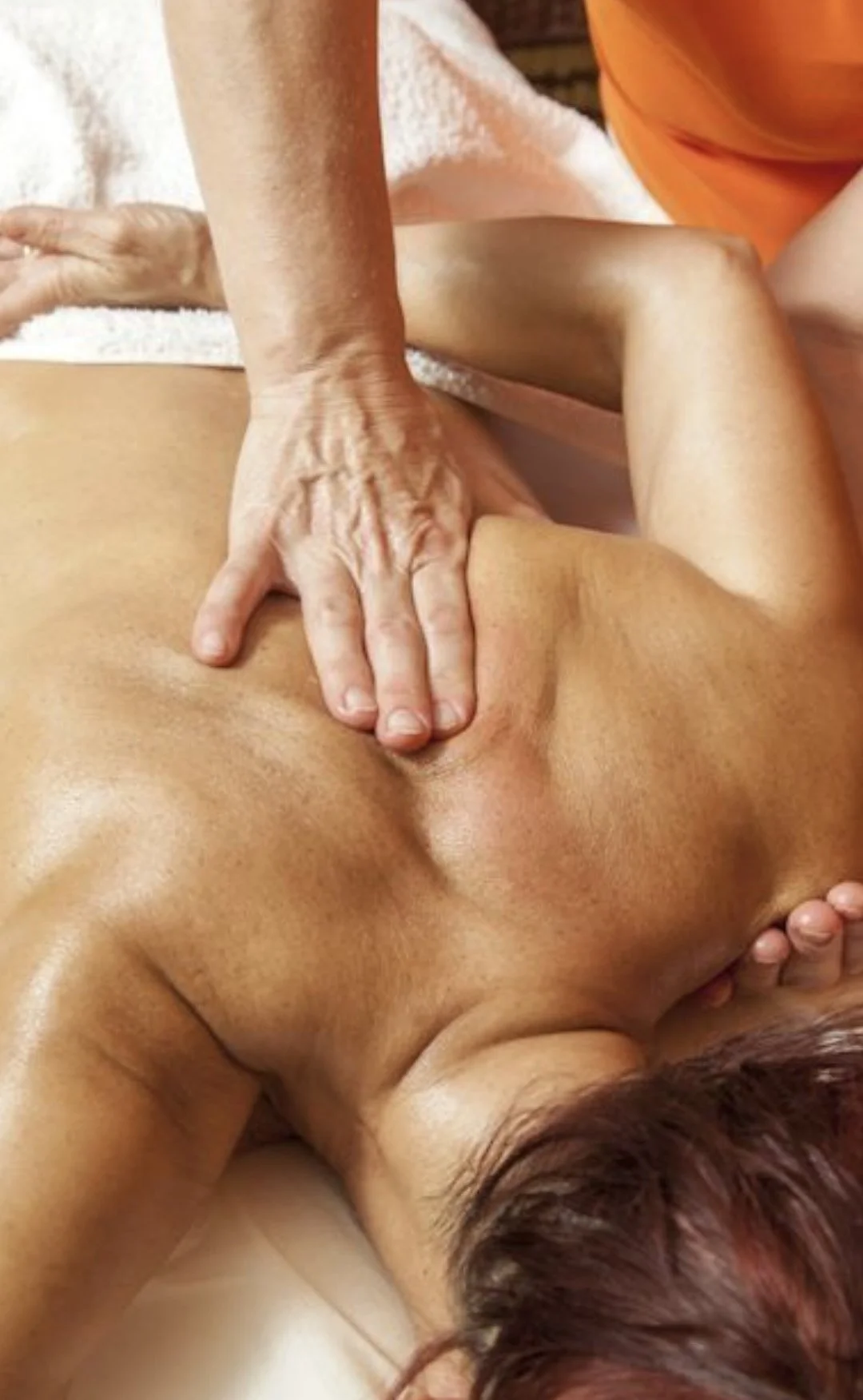
Treatment uses gentle hands-on techniques to improve mobility, reduce tension, support circulation and help your nervous system regulate itself.
Osteopathy may help if you experience:
Neck and shoulder pain from desk work
Lower back pain
Sports injuries
Running-related discomfort
Hip or knee pain
Headaches and migraines
Jaw tension (TMJ)
Stress-related muscle tightness
Reduced mobility
Recovery after long flights or intensive work periods
For many professionals in Brussels, especially those balancing demanding careers with an active lifestyle, osteopathy is not only about treating pain—it's about helping the body perform better and recover more efficiently.
Physiotherapy: restoring function after injury
Physiotherapy focuses primarily on rehabilitation.
If you've had surgery, suffered an acute injury, torn a ligament or need structured strengthening, physiotherapy is often the first choice.
A physiotherapist combines:
Exercise therapy
Rehabilitation programmes
Strength training
Mobility exercises
Education
Functional recovery
The goal is to restore movement, rebuild strength and safely return you to daily life or sport.
Physiotherapy is particularly effective when there is a clear diagnosis that requires progressive rehabilitation.
In my practice, physiotherapy principles often complement your treatment. I believe the best results happen when hands-on care is combined with practical advice and simple exercises you can continue at home. This helps you build strength, maintain your progress and reduce the chance of your symptoms returning.
Cranial sacral therapy: supporting the nervous system
Modern life keeps many of us in a constant state of "doing."
Deadlines. Meetings. Travel. Training. Screens. Poor sleep.
Over time, the nervous system can remain in a constant state of alertness.
Craniosacral therapy is an extremely gentle treatment that focuses on helping the body shift from stress into recovery.
Rather than working deeply into muscles, it uses subtle techniques to encourage relaxation throughout the nervous system.
Many people report feeling calmer, lighter and more balanced after treatment.
It can be particularly helpful for:
Chronic stress
Burnout recovery
Tension headaches
Jaw tension
Sleep difficulties
Persistent muscle tension
Nervous system overload
For busy professionals, it often provides something increasingly difficult to find: genuine deep relaxation.
Why stress shows up as physical pain?
Many people assume pain always comes from muscles or joints.
But stress changes how we breathe, how we move and even how our muscles stay activated throughout the day.
You may notice:
Tight shoulders
Jaw clenching
Neck stiffness
Lower back pain
Headaches
Poor recovery after exercise
Fatigue despite sleeping
The body adapts to stress—but eventually these adaptations can become symptoms.
That's why treatment shouldn't only focus on the painful area. It should help restore balance throughout the whole body and calm the nervous system so you can move, recover and feel your best again.
Active body. Busy mind.
Whether you're training for your next marathon, cycling through Brussels, spending long hours at your desk, or managing an international career, your body deserves the same attention you give your work.
Pain isn't always a sign to stop.
Sometimes it's your body's way of asking for better movement, better recovery and a chance to reset.
Osteopathy in Ixelles, Brussels
Located in the heart of Ixelles, I welcome professionals, entrepreneurs, expats, remote workers and active individuals from across Brussels.
Every consultation is tailored to your lifestyle and goals. Whether you're recovering from an injury, dealing with persistent pain, managing stress or simply looking to move more freely, my aim is to help you feel stronger, more resilient and more at ease in your body.
Because feeling better isn't just about being pain-free.
It's about having the freedom to work, move, train and enjoy life without your body holding you back.